Funding news: The Mixed Museum is awarded a Royal Society Places of Science grant
The Mixed Museum is among 27 UK-based small museums to be selected by the Royal Society for projects that offer exciting ways for people to engage with science in their local area and beyond. TMM’s project Decoding DNA continues the museum’s work with members of Britain’s brown babies’ community – those born to Black American soldiers stationed in Britain during and after World War Two and white British women. Drawing on their lived experiences, the group will work alongside TMM’s Scientist-in-Residence, genealogist Dr Sophie Kay, to help widen understanding of the science behind at home ancestry-testing.
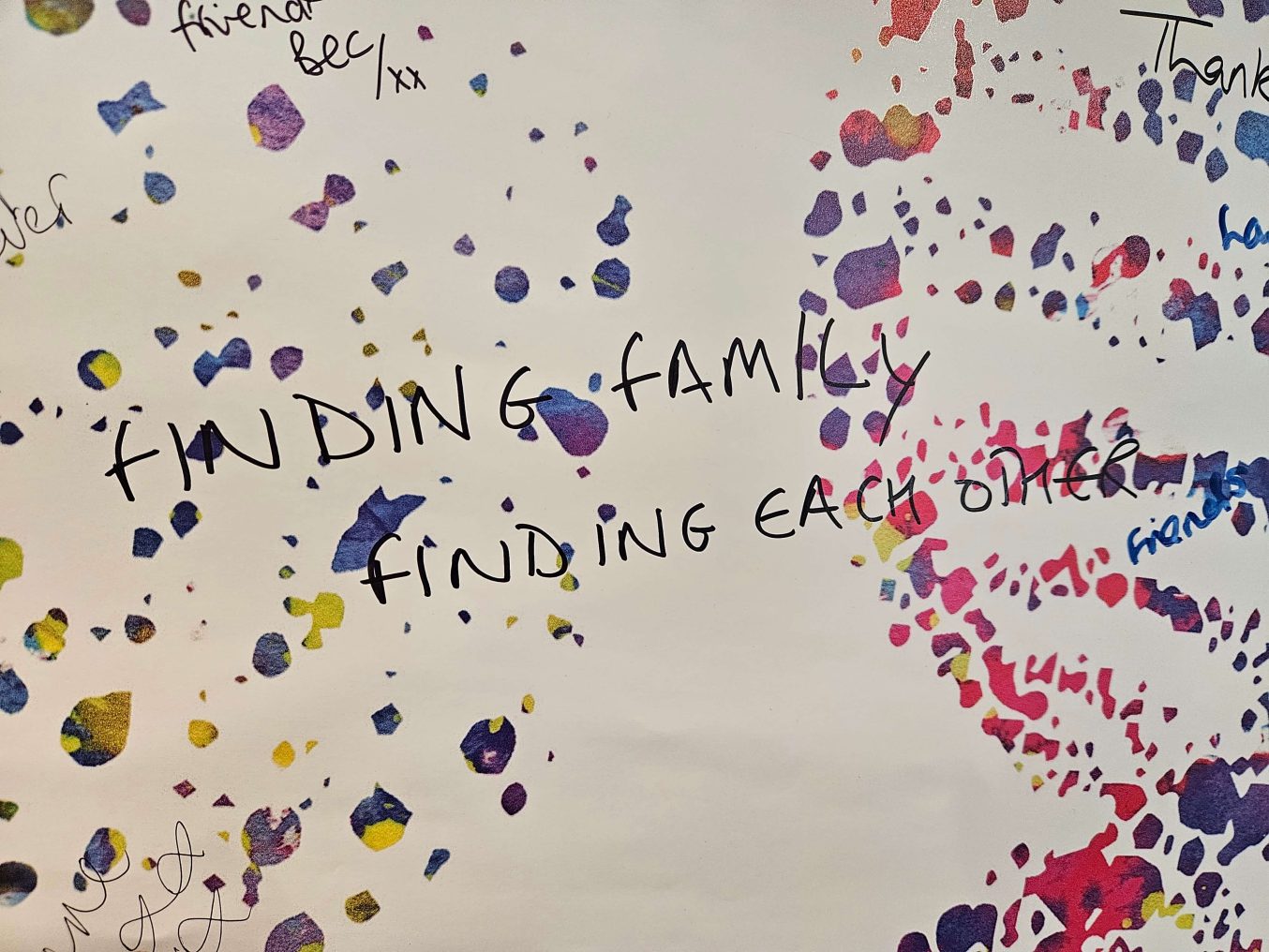
TMM among 27 small UK museums selected by the Royal Society
The Mixed Museum has been chosen as one of twenty-seven small museums across the UK, including the Brunel Museum and Portsmouth Natural History Museum, to be awarded funding of up to £3,500 by the Royal Society in the latest round of its Places of Science scheme to engage communities with their local science stories.
The Places of Science scheme aims to celebrate projects that will evoke curiosity, interest and enthusiasm by exploring science in a creative way. From family days at the museum, through community-led creation and curation, to workshops for schools, projects offer an exciting way for people to engage with science in their local area and beyond.
TMM’s funded project Decoding DNA: Understanding ancestry science with the ‘brown babies of WW2’ community will support members of the ‘brown babies’ community – children and descendants of Black GIs and white British women born during and after the Second World War – to better understand the science behind ancestry DNA testing.
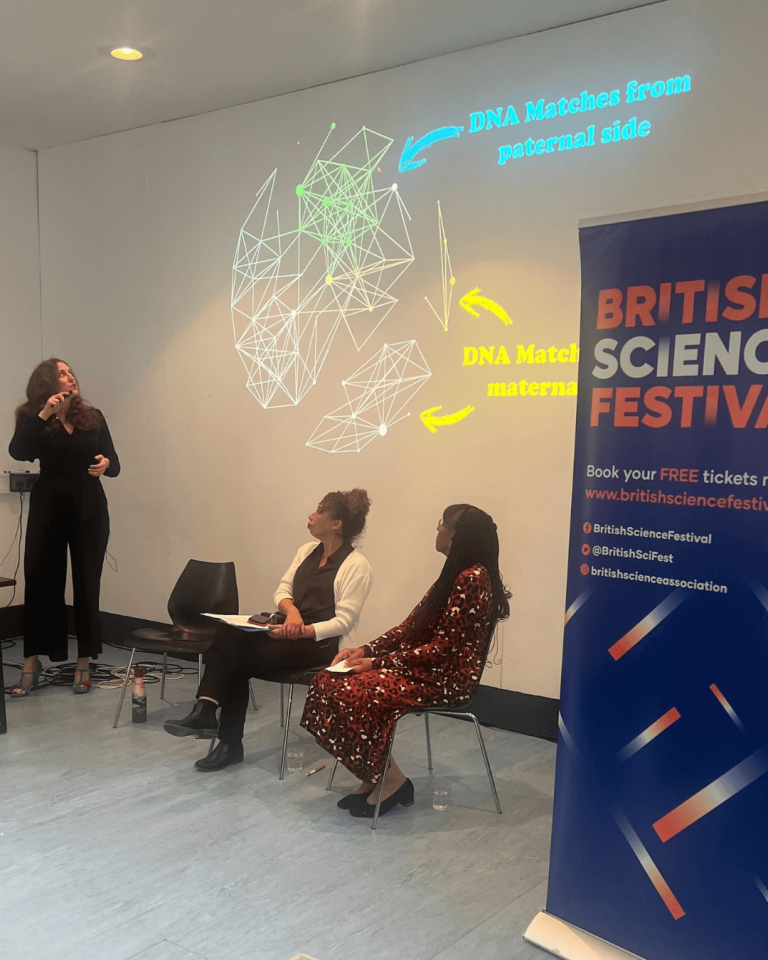
Many ‘brown babies’ family members use at-home ancestry tests to try and trace relatives and reconnect with family separated by historic discrimination. However, the scientific process behind these tests is often unclear to those taking them. Supported by the Places of Change funding, Dr Sophie Kay, TMM’s first Scientist-in-Residence, will work with members of its ‘brown babies’ network and TMM to co-create five short videos explaining key aspects of DNA science in plain, inclusive language.
The videos will form part of an online pilot DNA Journeys Toolkit at TMM, aimed at supporting informed decision-making and connecting science with lived experience for the ‘brown babies’ community, as well as those who share similar family search histories and journeys.
VIDEO: Hear WW2 'brown baby' Eldridge Marriott talk about how DNA testing provided answers and connections after a lifetime of wondering.
On the opportunity to continue working with TMM’s ‘brown babies’ group, Sophie said: “We can achieve so much together when supportive communities, sound science and meaningful conversations combine, and the ‘brown babies’ network is a marvellous example of this. It’s a pleasure and privilege to continue working with the group and TMM on this project and develop our collaboration and knowledge further. Between us, I hope we can empower an even wider community to navigate the DNA testing process and family-seeking journey with confidence."
The Mixed Museum among those praised for finding “creative ways of sharing scientific stories”
The Royal Society is the UK’s national academy of sciences, bringing together leading scientists from across disciplines to promote excellence in research and public engagement. Dr Sandra Knapp FRS, Chair of the Royal Society Public Engagement Committee, said: “It is great to see such diversity of projects funded by the Places of Science grant.
“The funded projects will highlight the crucial role that science plays in our daily lives. These projects will allow people across the country to learn more about and connect with the fantastic work going on in their local museums.”
Dr Chamion Caballero, Director of The Mixed Museum, said: “At TMM, we are always interested in how personal histories connect to wider histories, and DNA testing is a powerful example of that. For many members of the ‘brown babies’ community, these tests are not abstract science, but part of an ongoing search for family, identity and belonging.
“The most frequent enquiries we receive at TMM are from people seeking help with family history or advice on DNA testing. Our Places of Science project will help us share some of the insights from our ongoing work with the ‘brown babies’ community and Dr Sophie Kay with this wider audience. We’re grateful to the Royal Society for the opportunity to help more people feel informed and supported as they navigate their at home DNA testing journeys.”
The Decoding DNA project will launch later this year, with the films and toolkit available in early 2027 via The Mixed Museum’s website.
Learn more
Visit The Mixed Museum exhibition The ‘Brown Babies’ of World War Two and out more about the DNA ‘brown babies’ network and our Reclaiming Histories through Science project
Watch interviews with members of our ‘brown babies’ group on The Mixed Museum’s YouTube channel
Learn more about Dr Sophie Kay, The Mixed Museum’s first scientist in residence.
Read first-hand accounts from two members of the ‘brown babies’ group: Paul Sproll, a World War Two ‘brown baby’, and Bec Matthews, the daughter of a World War Two ‘brown baby’
Sign up to our newsletter for latest posts!
Enjoyed this article?
Sign up to The Mixed Museum’s newsletter to stay updated when new blog posts like this go live. We send highlights from the museum's collection, links to new articles, and other interesting updates direct to your email inbox once a month.