
Britain’s WW2 ‘brown babies’ in conversation: remembering Holnicote House
When Deborah Prior, who spent part of her childhood at Holnicote House in Somerset, made a plan to visit the UK from Australia, The Mixed Museum spotted an opportunity to bring her together with two other former residents – Ann Evans and Carol Edwards. Thanks to funding from Anglia Ruskin University and support from the Institute for Historical Research, the museum was able to host a public discussion between the three women in London in July, along with Professor Lucy Bland whose work has helped bring their histories to public attention. Read highlights from their discussion in the article below.
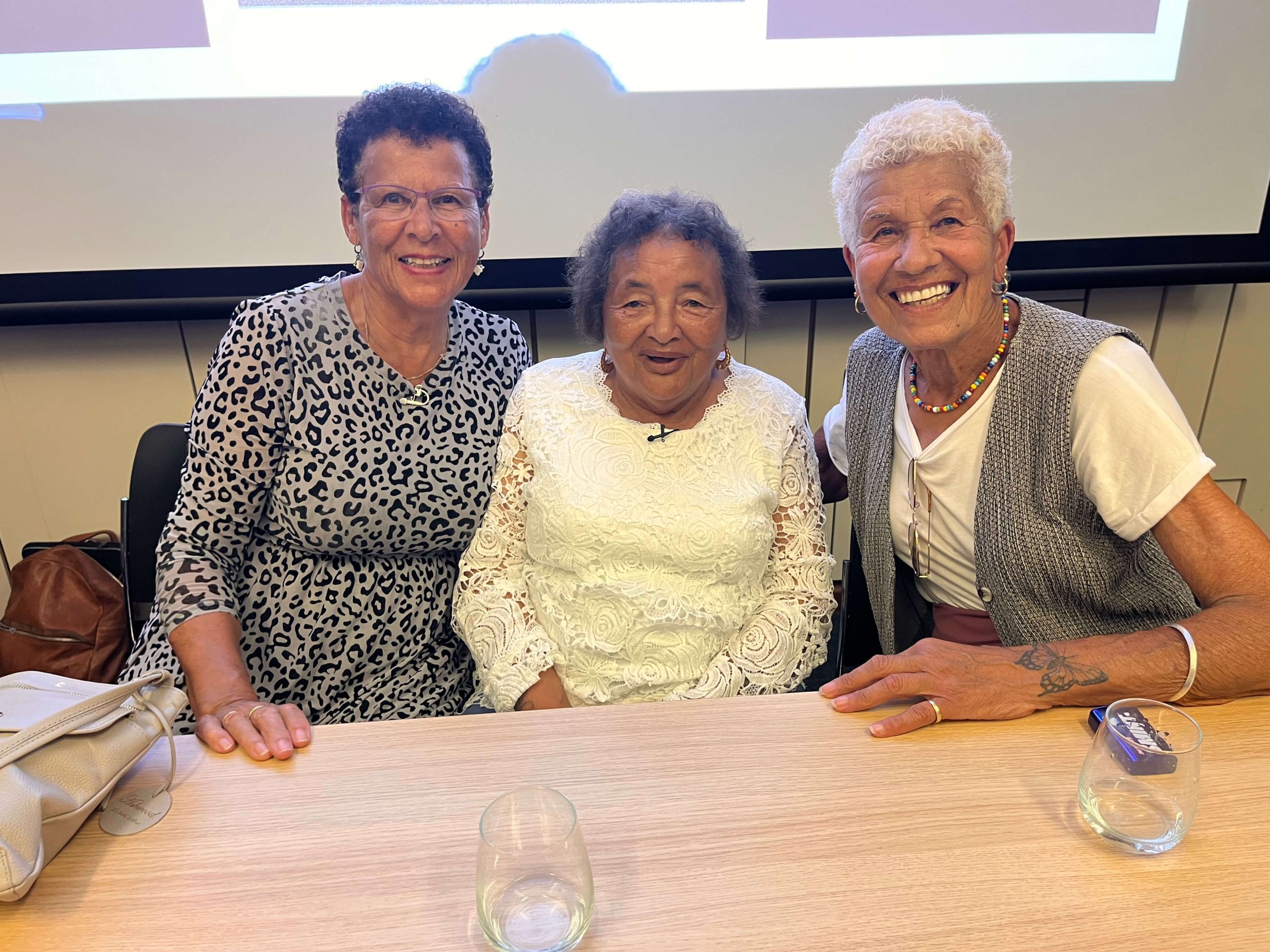
Three former residents came together to remember Holnicote House
The Mixed Museum’s Director Dr Chamion Caballero began the evening with a welcome to an audience of around 60 people at the Institute of Historical Research in London. “Tonight is, first and foremost, about listening,” she said. “It's about hearing directly from people whose lives illuminate a remarkable, and for far too long little-known, chapter of British history. While historians and museums can help provide context, there is simply no substitute for hearing history from the people who lived it.”
Dr Caballero said the museum was honoured to bring together “lifelong friends” Ann Evans, Carol Edwards and Deborah Prior. “We felt it was important not only to hear their memories together, but also to preserve this conversation for future generations,” she said. “That's why we're recording tonight's discussion, so that these voices and experiences can continue to be shared long after this evening.”
She then handed over to Professor Lucy Bland to chair the discussion. Professor Bland is the author of Britain’s Brown Babies: the stories of children born to Black GIs and white women in the Second World War. Through her research she has known all three women for many years.
Dr Bland began by putting their story in context by outlining the history of Holnicote House in Somerset. The house was donated to the National Trust in 1944 and immediately requisitioned by Somerset County Council as a residential nursery. It was initially intended for children evacuated from cities, but then became a place for ‘illegitimate’ wartime babies, particularly ‘brown babies’ – children born to African American soldiers and white British women during and after World War Two.

The US Army refused permission for Black GIs to marry white British women
She explained that about three milion American servicemen passed through Britain between 1942 and 1945, of whom up to 300,000 were Black, operating in a segregated army. There are thought to have been at least 2,000 children from relationships between Black GIs and local women. They were all ‘illegitimate’, since “the American army invariably refused Black Gis permission to marry white women”. ‘Brown babies’ was the name given to them by the African American press in the late 1940s.
“It appears that nearly half of these children were given up for adoption, as it was so hard for their mothers to keep them,” she explained. “They were pressured by their families, by the local priest, by mother and baby homes, and if they did insist on keeping their baby, they faced a lot of prejudice, name calling and often great difficulty in finding childcare.
“Having a baby that was both ‘illegitimate’ and mixed race meant that a mother and her child were seen by many as outcasts. But those children who were given up were rarely adopted as they were deemed ‘too hard to place’ by adoption societies."
Half of Somerset’s 45 ‘brown babies’ were placed in Holnicote House
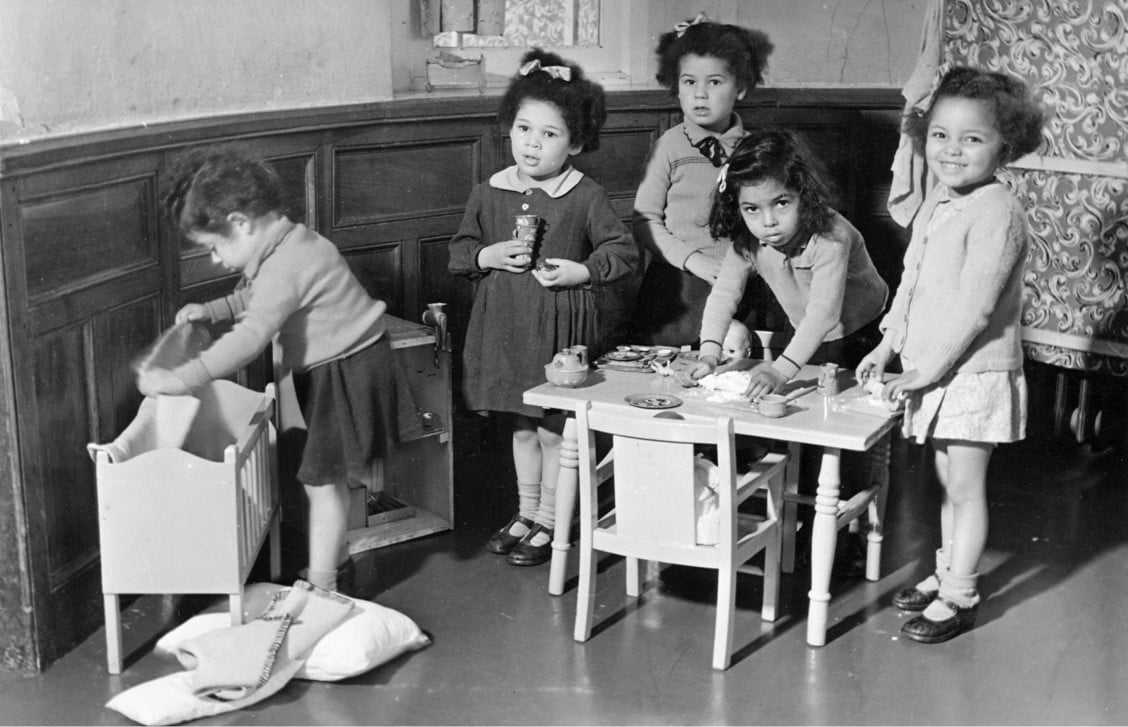
Professor Bland continued: “While many children had a hard start to their life, there were about 25 or so, born in Somerset, who had a much better beginning.” By 1948, there were 45 mixed race ‘brown babies’ in the county of Somerset. Half of them were placed in Holnicote House, where they were looked after by young nursery nurses having been removed from their mothers at two weeks old or even younger. Ann, Carol and Deborah were three of those children.
In the ensuing discussion, the three women all recalled Holnicote as a safe and happy place, where everything was shared. “It was just playtime,” remembers Deborah. “It was just happiness. I remember playing in the garden, in the pond.”
“We had a cradle there for the dolls,” added Ann. “And a big piano for when you were teething on the piano keys,” added Carol, laughing – the story of Ann biting the keyboard is one of the friends’ favourite stories. “It was a black baby grand.”
“I just knew it was the only home I had,” continued Deborah. “We shared everything. We’d have walks every day, whatever the weather. The nurses didn’t know what to do with our hair. It was kind of like, when in doubt, stick a bow on it.”
“You shared everything, with everyone else,” added Ann. “Nothing was ever just yours.”
Carol remembers that the only visitors were “married couples looking to adopt”. The audience was shown an article from Life magazine, which was taken during an ‘open day’ in August 1948.
Leaving Holnicote House: “There was no explanation of where I was going or why”
Ann said was placed in Holnicote when she was just three days old, and removed aged four to be taken to Wales, where she was adopted. “I had four adopted brothers, and the nearest one to my age was 10 years older than me,” she said. “That one brother, I loved him to death. He used to take me everywhere and if people said anything, he’d say, ‘If you don’t mind, don’t say that in front of her’. And if people carried on, he taught me how to punch people on the nose. I got very good at that.”
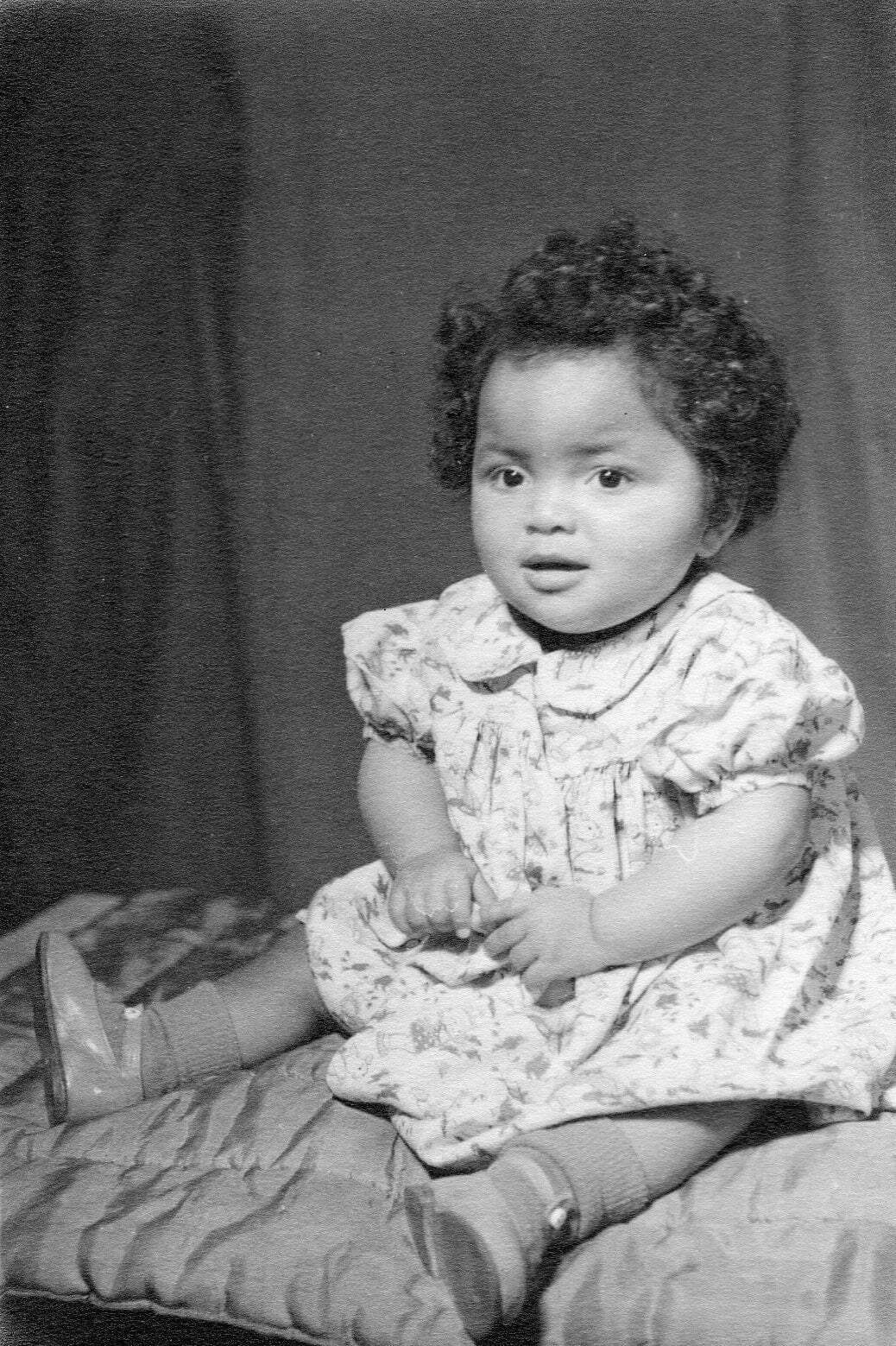
Deborah remembered her removal from Holnicote aged five from all her friends and the only home she’d known as traumatic. “There was no explanation of where I was going to or why,” she said. “You can imagine at five years old, travelling all the way to wherever to be with these ‘nice people’. I was terrified! They had no background in understanding this distressed child. It was very upsetting, very traumatising. Corporal punishment was the norm and there was this perpetual need to be grateful.
“Then of course you’re flung into this white community, where they’ve never seen a Black child before. That’s when the abuse and racism and name calling started and there was no back up, no help. You just had to get on with it.”
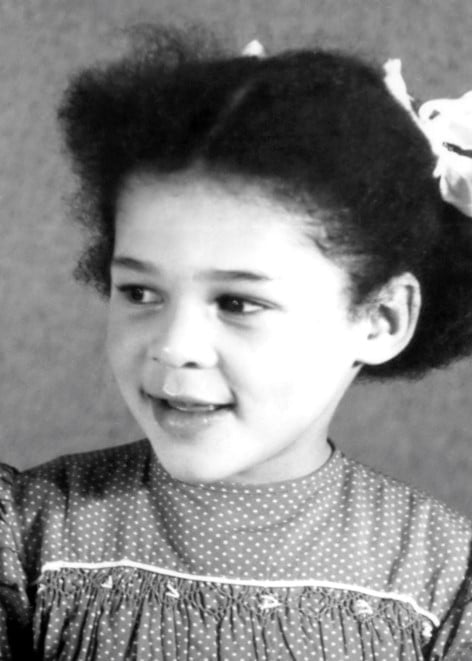
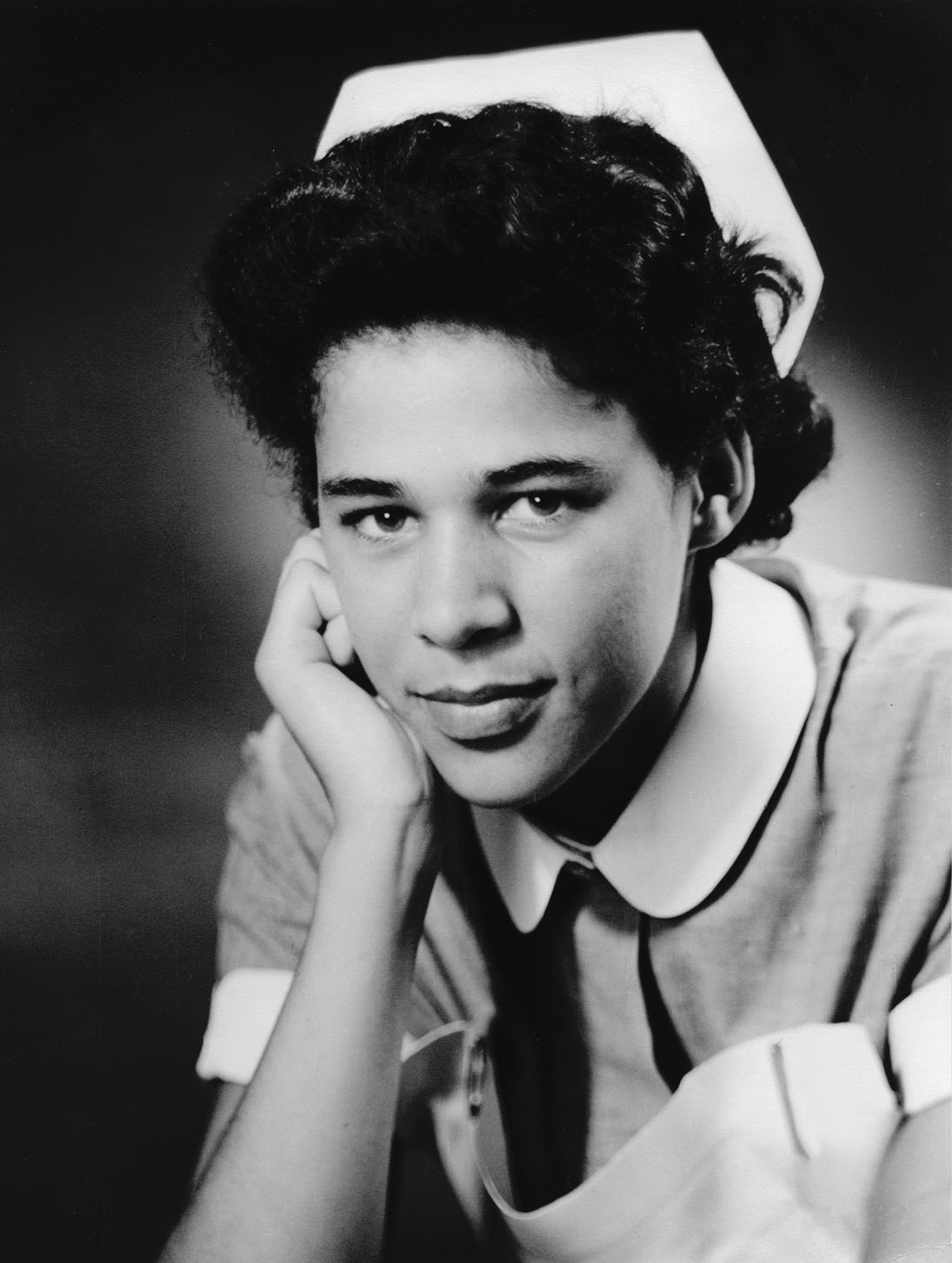
Carol was moved to one children’s home and then another. “For years, I thought Leon, my best friend from Holnicote, was there with me at the first home, but I learned later that he wasn’t. It just shows that he was forever in my thoughts.”
Carol was fostered between the ages of 12 and 14. She said her father got in touch and tried to have her move to the US to be with him, but that didn’t happen “because I was settled”. Aged 15, she began to write to one of her American cousins, and later went to the US with her daughter Joanne, and met her father.
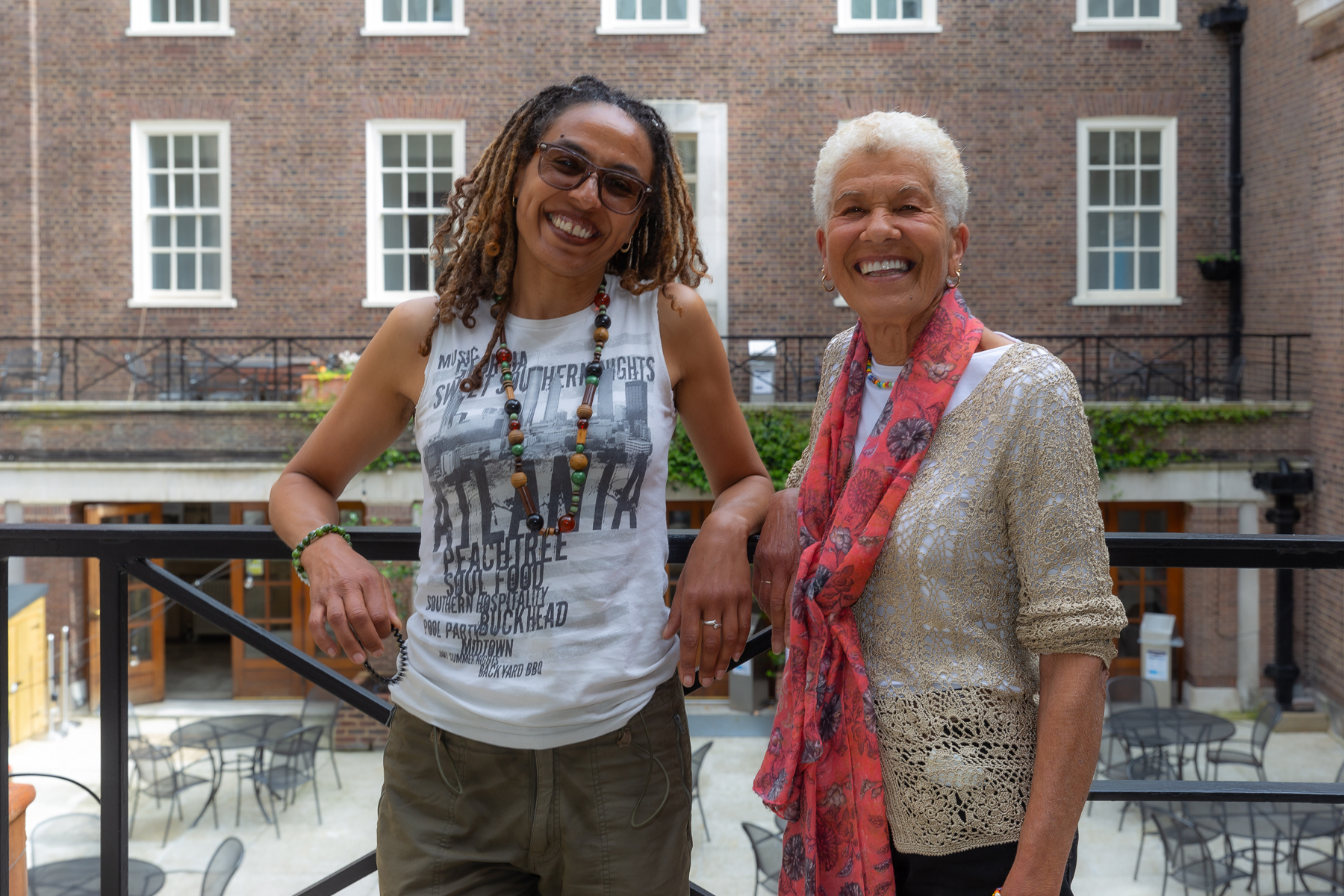
Finding each other again after more than three decades
It was Ann’s determination that brought the three friends back together more than three decades after they left Holnicote. “I never forgot Holnicote House,” she explained. “The children there were always on my mind, and I kept asking my mother who adopted me about them, but she didn’t know them, obviously. And I found that very strange.
“I didn’t see them again until I was in my 40s. I wrote to the nurses. I must have written hundreds of letters. I knew of David Stanley, the social worker, and he passed on their addresses. We found Deborah, even though she’d changed her name and was living in Australia by then. She’d written to Somerset Council and somebody had kept her letters on file.”
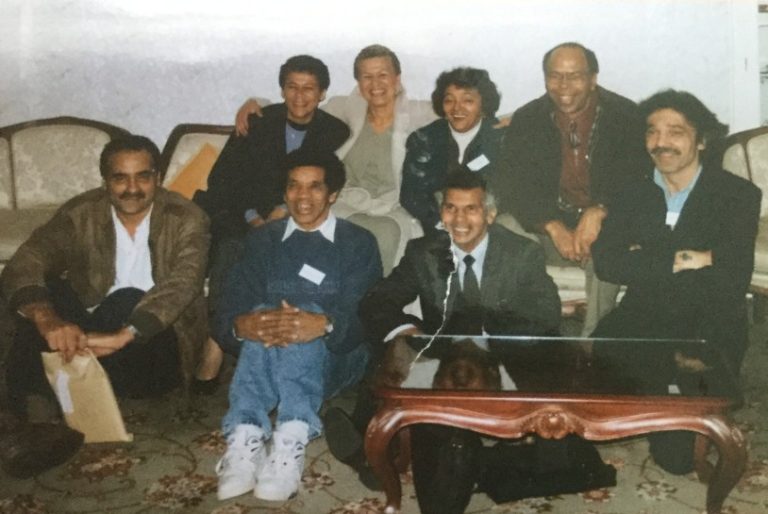
“I’ll never forget the day I got this voice message – ‘please contact Somerset County Council’,” remembers Deborah. “And that’s when I was connected with David Stanley and he put me in touch with Ann. It was just magical. It was like my whole world came alive.”
“It was just unbelievable,” agrees Ann. “We didn’t feel we were strangers. There were no barriers, nothing. I didn’t want to let it go because it was our life together. We’re the only ones who knew what we went through. Years later when we met up with these nurses, they treated us like we were their children.”
DNA testing: putting the pieces together
Deborah explained that she did a DNA test in 2016, initially using 23andMe, then Ancestry, and finally enlisting the help of GI Trace. She also had help from a writer called Lucas Fothergill. “It’s been a terrific journey because aged 81, I’ve put all the pieces of my life back together,” she said.
“It’s been so cathartic. It’s helped me realise a lot of childhood trauma that I’d carried. It’s testimony to our carers that I had the strength to get through being flung into a very white environment. We were hidden. We came before the Windrush but there’s very little recognition of the mixed race English children.”
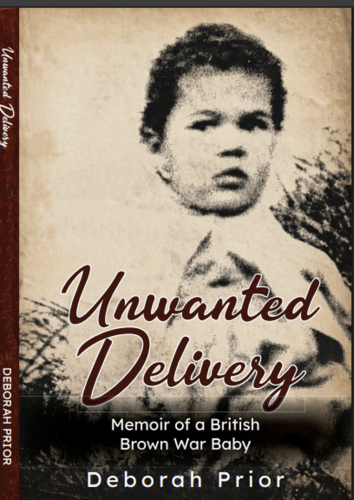
She paid tribute to Professor Bland’s pioneering research, saying: “We hardly knew our own stories before Lucy wrote her book, because our story has been hidden we’ve just assumed that’s how it is. The Mixed Museum has given a lot of people light on the story.” Deborah has just completed her memoir telling her story in her own words, and shared a glimpse with the audience.
After they had shared their stories, Dr Caballero opened the floor to questions. Members of the audience asked about post-war racism, haircare, identity and belonging, the women’s current connections with their American families, and other kinds of mixed families in the 1950s. Several people with personal connections to the ‘brown babies’ histories movingly shared their own stories.
TMM’s work on the ‘brown babies’ history has been recognised with a Museums Association award
The Mixed Museum’s work on the ‘brown babies’ history, in collaboration with Professor Lucy Bland, was recognised with a Museums Change Lives Award from the Museums Association in 2021. The award was for the museum’s digital exhibition based on Lucy's research.
Since then, the museum has continued to work with Lucy and a growing community of ‘brown babies’ families to record oral histories, preserve photographs and documents, and ensure these stories become part of Britain's shared history.
We have been supported by funding from Anglia Ruskin University, Mindsets + Missions, the Royal Society, Association of Independent Museums, and the Halsted Trust. Our work with the group has appeared in the National Trust's podcast, at the Foundling Museum and at the British Science Festival 2025. In July, the partnership between Lucy and The Mixed Museum received the Equitable Partnership Award Honorary Mention in the National Centre for Academic and Cultural Exchange’s Future Icons of Culture Exchange Awards.

Image: (left to right) Chamion Caballero, Joanne Edwards, Ann's son Nicholas, Ann Evans, Carol Edwards and Lucy Bland at Holnicote House, July 2024 for the recording of the National Trust's podcast. Source: The Mixed Museum.
A recording of the event will be available on The Mixed Museum’s YouTube channel in due course. Sign up to our newsletter to be alerted when this goes live, along with news of the publication of Deborah's book.
Thank you to Anglia Ruskin University and the Institute of Historical Research for supporting the Remembering Holnicote House event.
Deborah Prior is seeking representation for her memoir, Unwanted Delivery: Memoir of a British Brown War Baby. If you or anyone you know can help, please get in touch with her via The Mixed Museum at info@mixedmuseum.org.uk
Learn more
Visit our digital exhibition, The ‘Brown Babies’ of World War Two, which is based on Professor Lucy Bland’s research
Watch members of our ‘brown babies’ group tell their stories on our YouTube channel
Read the DNA testing journeys of ‘brown babies’ group members David Yeates, Bec Matthews and Paul Sproll